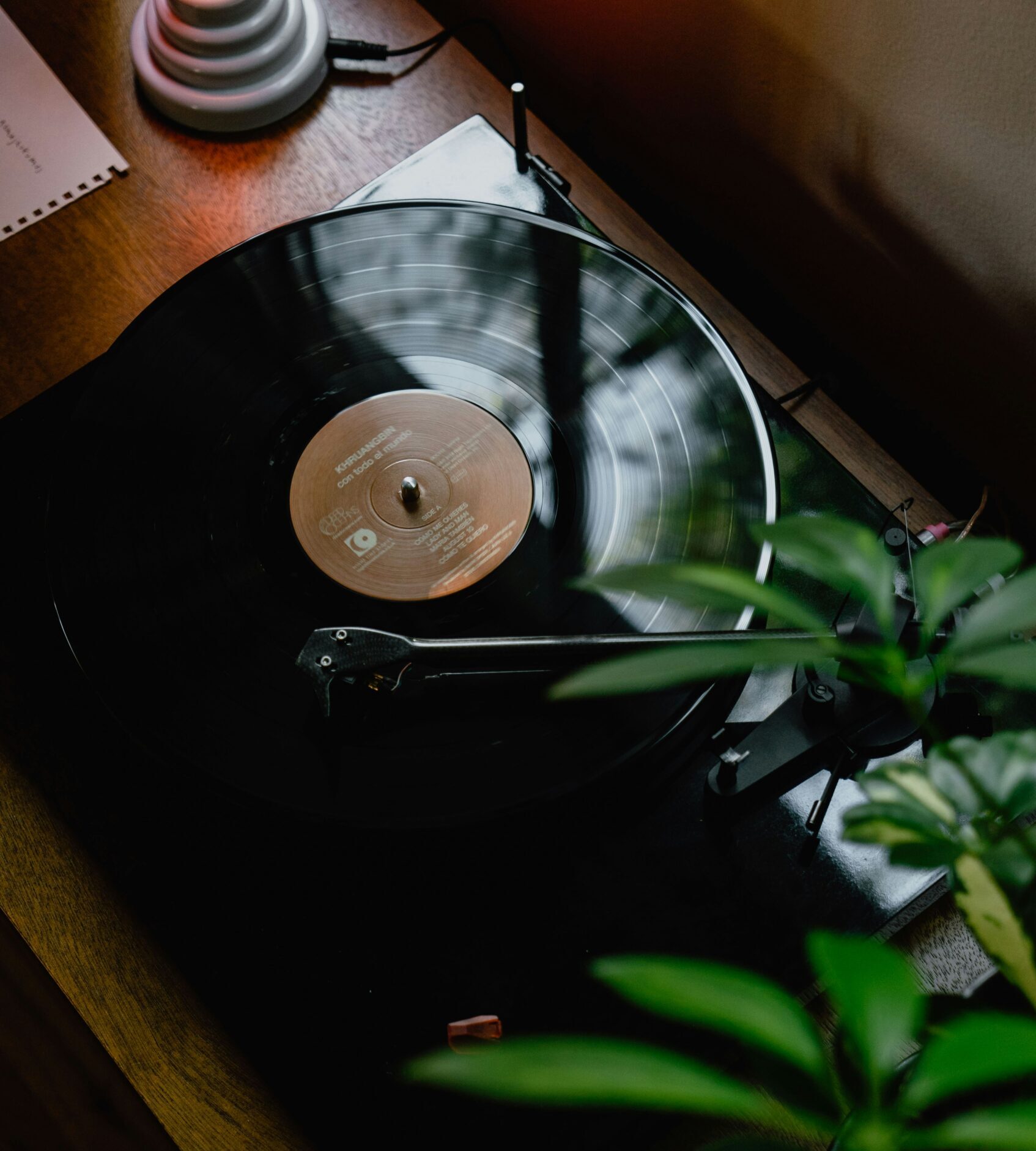
I will admit I live and breathe music. Music shapes so much of my emotional experiences; I cry listening to Orion Sun’s dreamy vocals full of lyrical longing; I feel SiR’s desperate plea as he sings of the idea of a love that can’t be in John Redcorn; I feel euphoric listening to rock songs by homegrown Nepali bands.
As a Nepali diaspora living in the UK, my musical experiences has been and still is heavily shaped by artists in the west. Growing up, I wanted to play the guitar after discovering Taylor Swift during her iconic Country era. During the confusing, chaotic beginnings of teenhood of hyper-centering white boys, I converted into an instant ‘belieber’ and ‘directioner’. Naturally, it fell through with time, age and place, and as I diversified my music taste. During my 20s, my listening experiences with Nepali music expanded and I fell in love with Bartika Eam Rai and Yugal Gurung. I learnt how timeless Beyonce truly is as an artist, vocalist and performer, holding and sustaining an eclectic repertoire over many decades (we all know her team works hard, but Bey works harder).
As my personal listening experiences changed, grew and diversified, I found a deep love for R&B and later, Neo-soul. From Kehlani’s You Should Be Here drop a decade ago, to discovering singer-songwriter and vocalist, Cleo Sol and her powerful, soulful sound, I hold a deep gratitude for people who make music. Music was my first love, and I admire the power it has to continuously shape my world and my emotional experiences.
It is undeniable that music culture in the west is pioneered by black culture. Black culture, or African-American culture to be specific, has a global impact on shaping popular culture, spanning art, fashion and music. Black culture’s influence on modern music in the west is foundational, as major western music genres including Jazz, Blues, Soul, rock ’n’ roll, Pop and Hip-Hop were rooted within African-American communities and African origins before their hyper-commercialisation.
Vince Dixon, a digital media journalist who curates data-driven projects about black history and black culture in link to American society affirms how ‘nearly all American-made music genres come from Black Gospel and the Blues’. His research uses visual data referred as the ‘Family tree of American music’ to highlight his findings. It is interesting to me how many of these genres became co-opted in the mainstream, such as how rock bands are known as being primarily white in western popular music. Dixon makes the argument of how black culture and art is globally valued, monetised and commercialised, but black people have systemically not been seen in this same light of value, making links with America’s racist historical past.
If we look at the blues, blues originated among African American communities within the Deep South during the 1860s. Although influenced by African American history, the blues is not ‘slave music’. Lamont Pearley Sr., a African American Tradition Music Folklorist, posits ‘although it was cultivated by the descendants of slaves, the blues was the expression of freed African Americans’. The evolution of blues music was influenced by The Great Migration – for example, Muddy Waters, known as the father of Chicago Blues, was part of this migration, and the genre became central during the Harlem Renaissance in the 1920s and 1930s.
If we look at jazz, the birthplace of jazz began in the vibrant streets of New Orleans around the late 19th and early 20th century. Post civil-war America, a melting pot of life experiences and musical influences of African, Caribbean and American descent contributed to the creation of jazz. Louis Armstrong is popularly known as the ‘Father of Jazz’.
When we consider the rock ’n’ roll genre, it is associated with the more rebellious spirit, the unconventional and the energetic movement of the mid-1950s. Pioneers of rock ’n’ roll are regarded to be Little Richard and Chuck Berry. However, Elvis Presley popularised the music and earned the title ‘King of Rock and Roll’. Sister Rosetta Tharpe is widely recognized as the ‘Godmother of Rock and Roll’ for her pioneering fusion of gospel music with innovative electric guitar playing, which directly influenced early rock and roll artists like Elvis Presley and Little Richard. The Beatles were also very much influenced by these early rock ’n’ roll pioneers.
With rock ’n’ roll roots, pop music came into being for mass appeal, or what was the popular music of the time. Child prodigy Michael Jackson, known as the ‘King of Pop’ remains one of the most culturally significant figures of the 20th century. His 1982 album Thriller skyrocketed him into global superstardom and is the best selling album in global history, with estimated sales of 70 million worldwide. Known for his star power, his songs, music videos, dancing and fashion influenced the realms of popular music by being genre-defying and transcending American racial barriers.
Popular western music today comes from a foundation rooted in black culture. And as artists and listeners, we must uplift, give credit to and value the culture that has created, shaped and influenced the western music landscape. Invisible power structures remain in our personal and professional lives, as well as in the music industry. As I learn to navigate this new terrain, I take into account how the personal is political. As someone who listens to major western genres like R&B and sub-genres like Neosoul, I am continually inspired by, and learning from black artistry, talent and influence in my music journey.
Leave a Reply